Keep the sky close

Add Celest to your Home Screen and open your astronomy calendar in one tap.

The automatic install prompt is not available right now. You can use your browser's menu instead.

  1. Look for Install in your browser

    In Chrome or Edge, use the install icon in the address bar or the browser menu. In Safari on Mac, choose File → Add to Dock.

  2. Confirm Add or Install

    If your browser does not offer installation, you can bookmark Celest instead.

Category

Astronomy Explained

Clear answers to the ideas, words and processes that make the universe work.

Stories

11
A small generic dark meteorite specimen rests on a neutral laboratory surface, with a discreet visible broken interior.
Astronomy Explained

Meteor, Meteoroid or Meteorite: What Changes?

The object in space, the streak overhead and the rock on the ground are different parts of one possible journey. Learn what changes—and what a surviving sample can reveal.

2 Nov 2026 · 4 min read
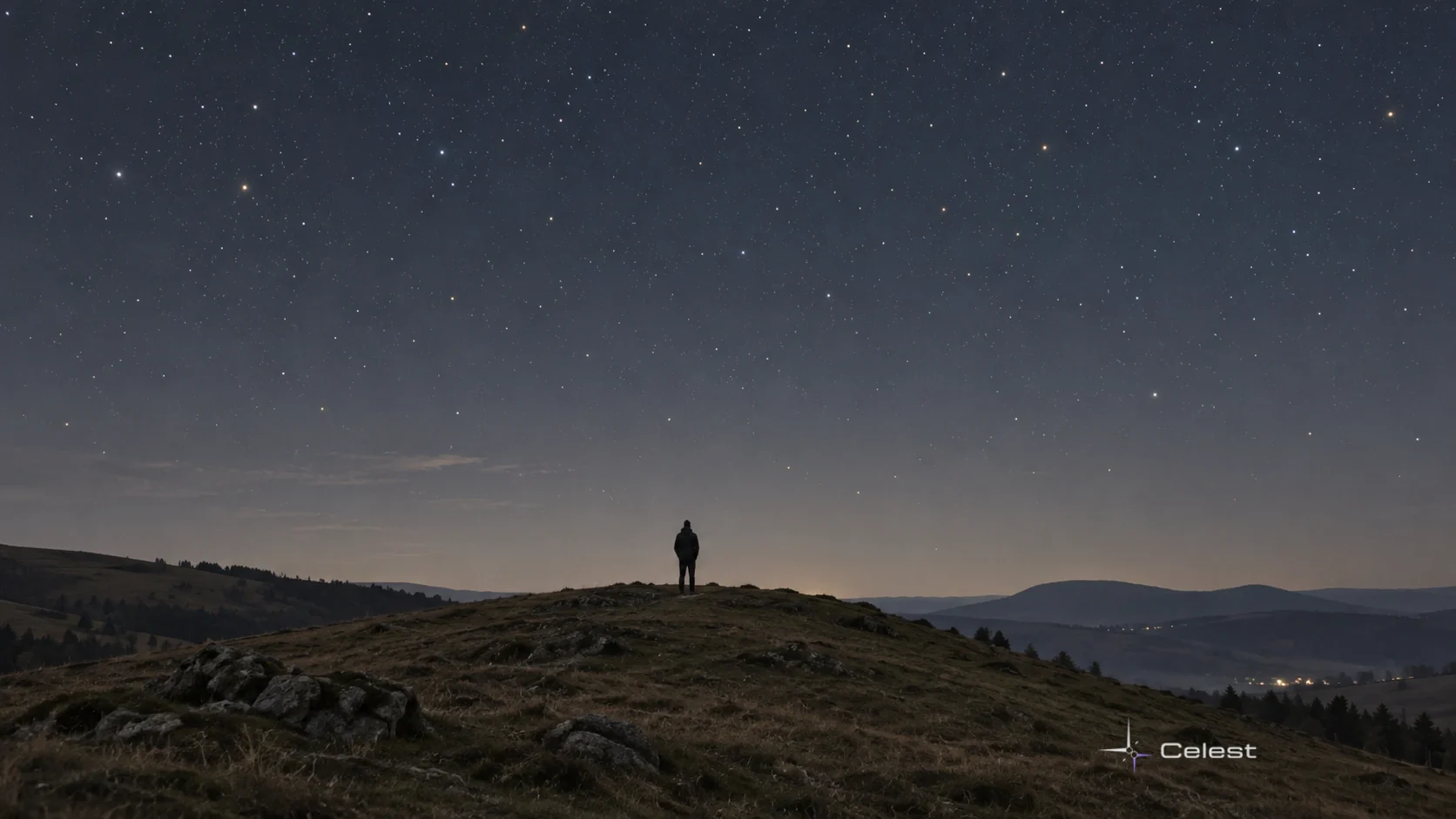
Two restrained stellar points of different apparent brightness in a quiet wide night sky, without a calibrated ratio.
Astronomy Explained

Magnitude: Why Smaller Numbers Mean Brighter Stars

A smaller magnitude means a brighter appearance, but one number cannot tell the whole story. Learn the scale, the role of distance and the difference between a sharp point and a faint extended glow.

31 Oct 2026 · 4 min read
Generated qualitative view of a modest urban light dome under a night sky with a few visible stars, not a calibrated light-pollution measurement.
Astronomy Explained

Light Pollution: Why Faint Stars Disappear

A brighter sky can reveal fewer stars. Follow scattered light from a streetlamp to the background sky, then learn why maps and observations tell different parts of the story.

29 Oct 2026 · 4 min read
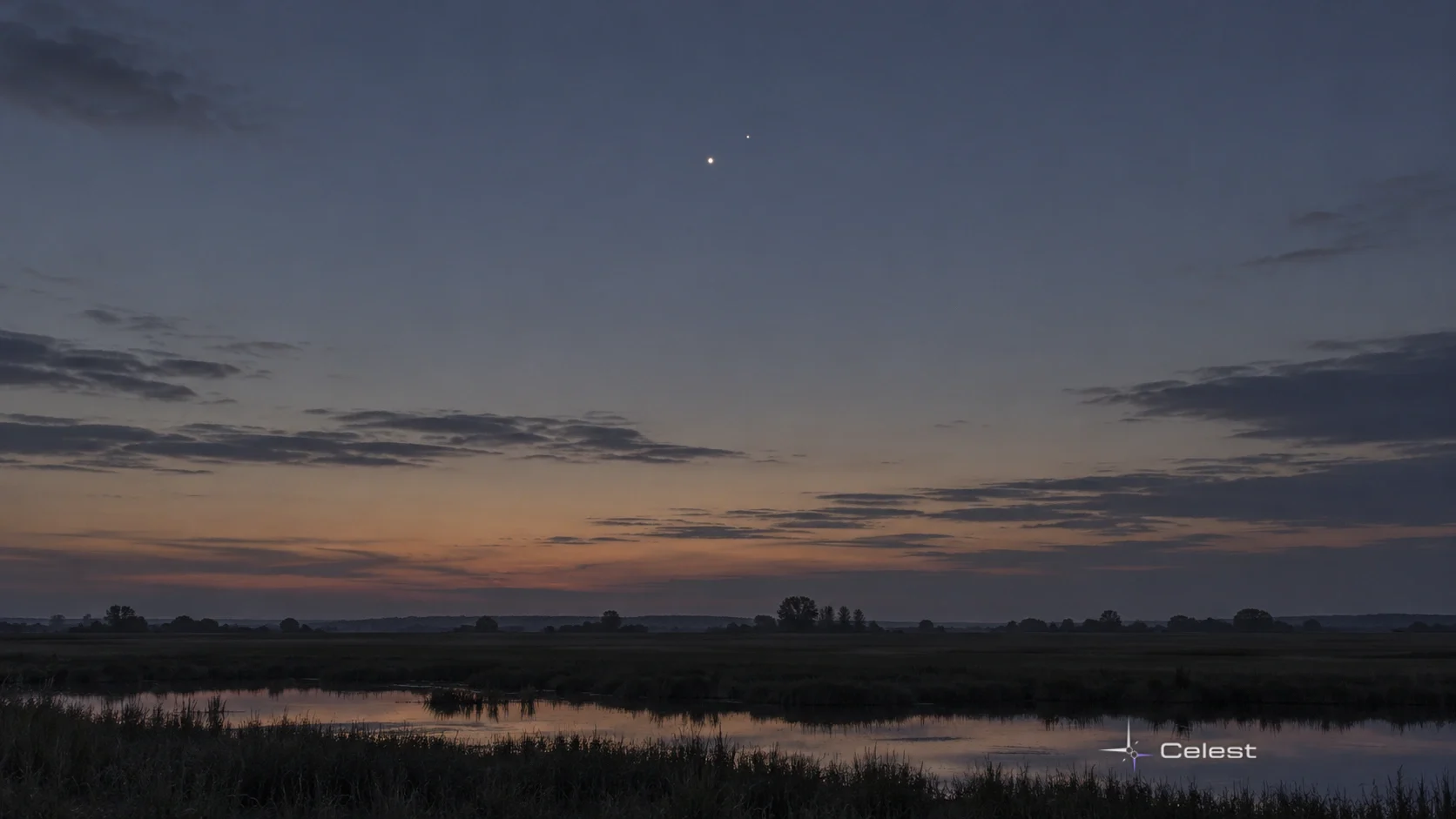
Two small bright planetary points appear near each other above a quiet twilight horizon in a qualitative illustration.
Astronomy Explained

Conjunctions: Why Worlds Appear to Meet in the Sky

Two planets can share a tiny part of the sky while remaining enormously far apart. Learn what their apparent meeting means and why the observer’s viewpoint matters.

25 Oct 2026 · 4 min read
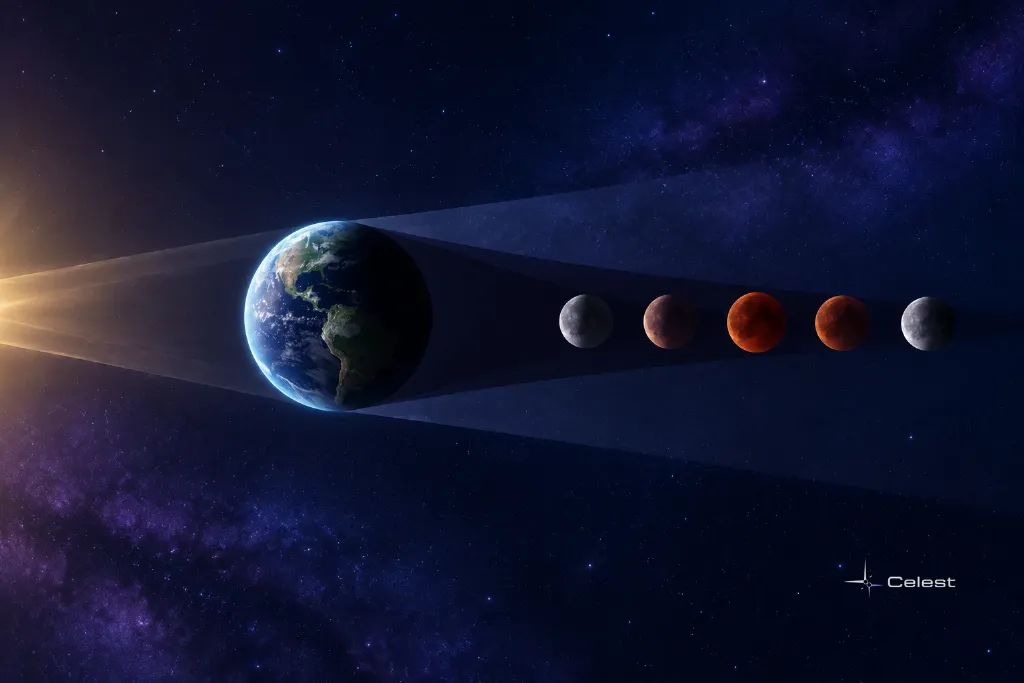
A lunar eclipse illustration shows Earth at left casting a dark shadow toward several reddish Moon phases against a star-filled purple-blue sky.
Astronomy Explained

What Is a Lunar Eclipse? The Shadow Explained

Earth's shadow has two zones, and which one the full Moon crosses decides everything you see — from a faint dimming to a rust-red Moon.

20 Oct 2026 · 5 min read
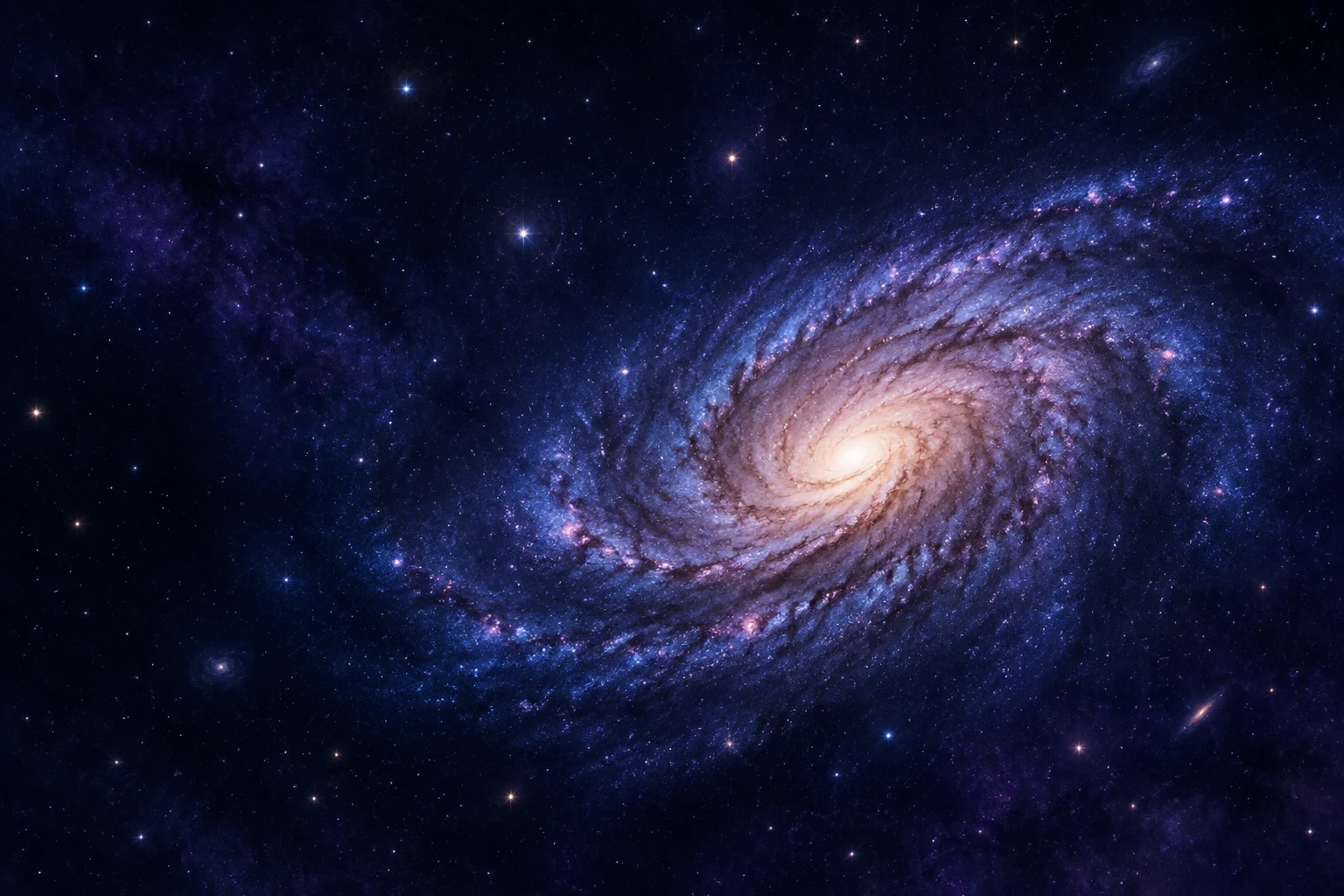
AI illustration for What Is a Galaxy? A Beginner's Explanation
Astronomy Explained

What Is a Galaxy? A Beginner's Explanation

A galaxy holds stars, gas, dust and dark matter together through gravity. Its shape and changing star population reveal a history far bigger than one star.

19 Oct 2026 · 5 min read
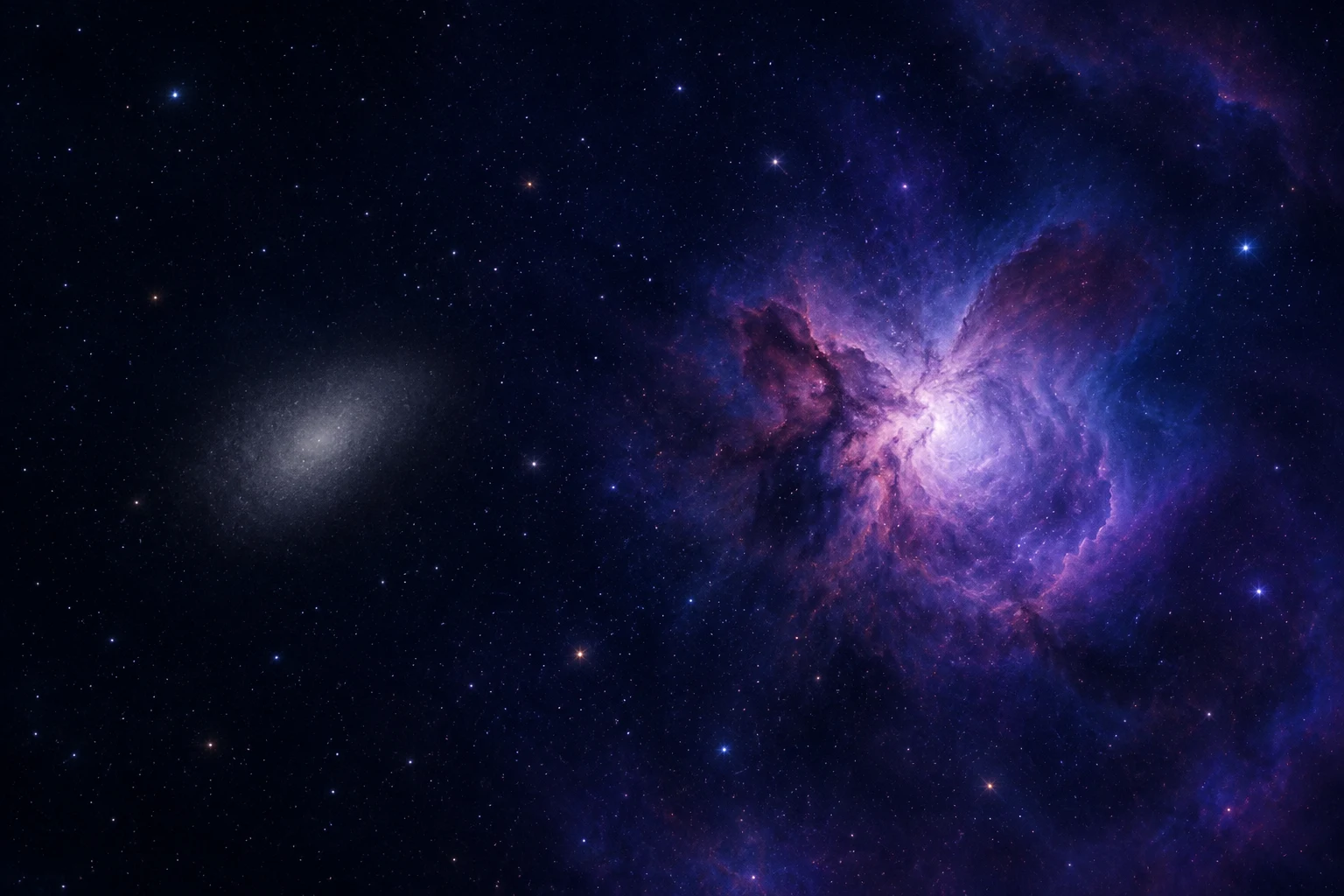
AI illustration for What Is a Deep-Sky Object, Really?
Astronomy Explained

What Is a Deep-Sky Object, Really?

A grey smudge at the eyepiece and a glowing nebula in a photo can be the same object. The gap between them comes down to how light behaves, not what you're doing wrong.

18 Oct 2026 · 5 min read
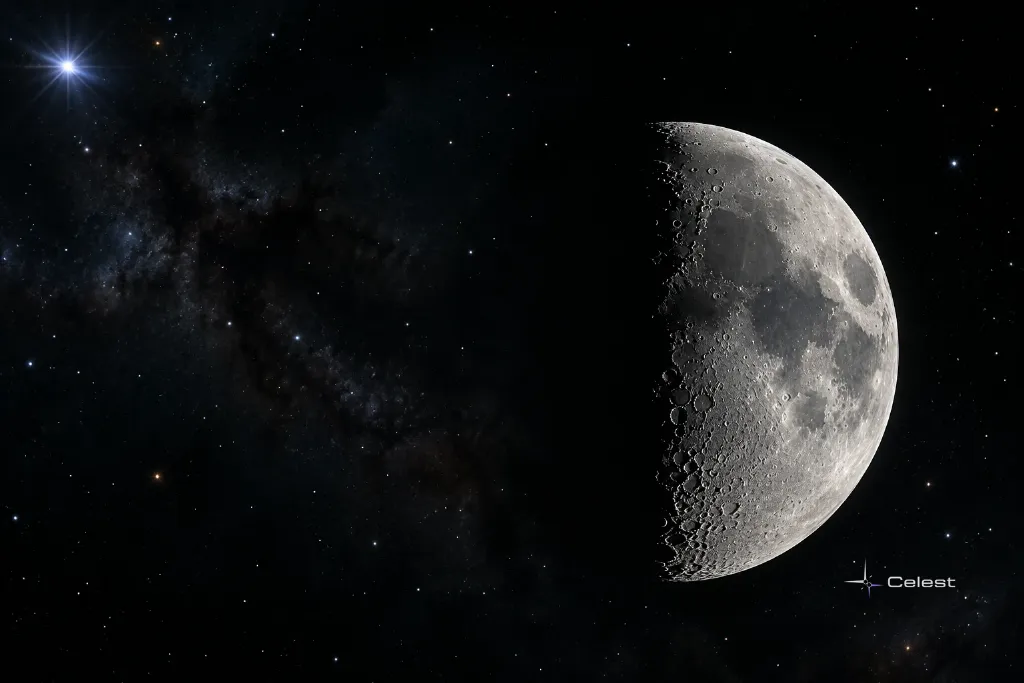
The Moon appears half illuminated against a star-filled black sky, with the Milky Way and a bright star behind it.
Astronomy Explained

What Causes the Moon's Phases?

A tour through the real mechanics behind new moons, full moons and everything in between — no shadows, no shrinking, just changing angles of sunlight.

4 Oct 2026 · 5 min read
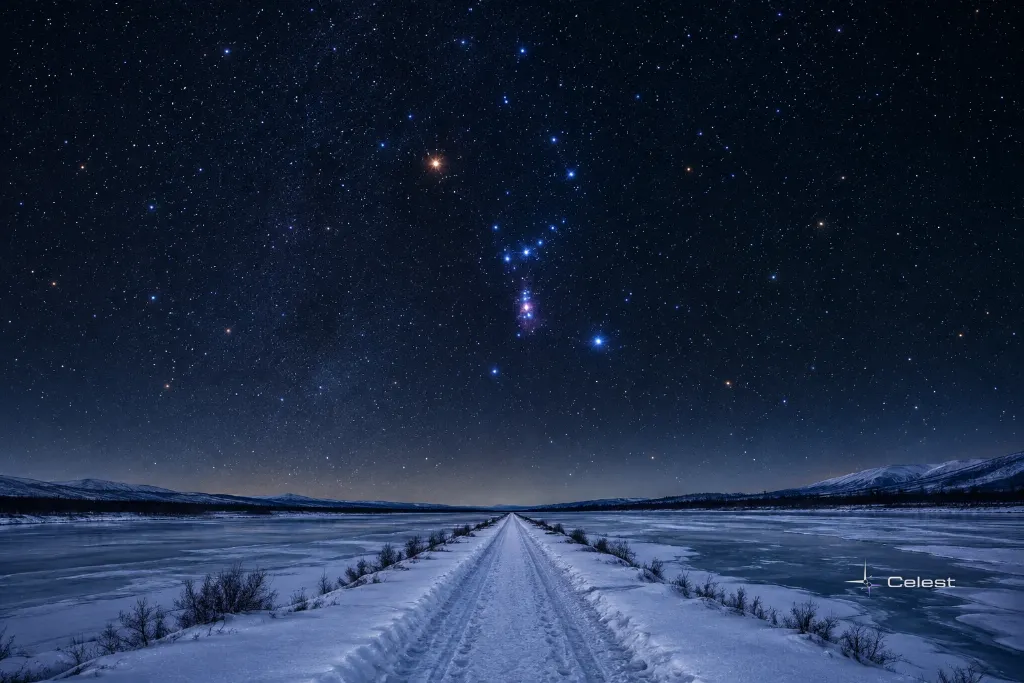
A bright constellation hangs above a snowy road, with blue stars scattered across a dark sky and hills on the horizon.
Astronomy Explained

What Is a Constellation, Really?

The 88 official constellations divide the whole sky into regions. Their familiar outlines connect stars that can lie at very different distances.

4 Oct 2026 · 4 min read
← All stories